

Valhalla Range, West Kootenay · Photo: Murray Foubister, CC BY-SA 2.0
EDITORIAL · THE 2026 ELECTION · THE LOCAL VOTE
B.C. just voted out the mayor in 34 towns and cities. The NDP should be listening.
On 17 October, a week before the provincial vote, voters in 34 of the 109 municipalities we checked turned out a sitting mayor who had asked for another term. That is a higher share than in 2018 or 2022, and most of those mayors had no party label at all. In our view, that is a province in the mood for change, and the party that governs it should hear the message.
On Saturday night in Fort St. John, after the results were read, Mayor Lilia Hansen shook hands with the man who had just taken her job. Trevor Bolin, a long-time city councillor and a former leader of the BC Conservative Party, won 65 per cent of the vote, in the city’s highest turnout in at least 25 years.
“It was a pretty clear mandate tonight,” Bolin said.1
Fort St. John was one of 34. On 17 October, one week before British Columbians choose a provincial government, voters in 34 of the 109 municipalities we checked turned out a sitting mayor who had asked for another term.2
Kamloops, Prince George, Vernon, Penticton and Revelstoke did it. So did Vancouver and Surrey, the two biggest cities in the province.
Local races in British Columbia are formally non-partisan, and most of the mayors who lost had no party ties that we could find. In our view, that is exactly why the result matters. Voters were not punishing a party. They were turning on whoever held the job.
A week from now, the job on the ballot is premier, and the party that holds it is the BC NDP.
01 Voters turned out 34 sitting mayors on 17 October. That is a higher share than in 2018 or 2022.
In the 109 municipalities we followed, 73 sitting mayors ran again and 34 of them lost, or 47 per cent. Another 36 did not run.
In the same towns and cities, 29 of 72 lost in 2018, and 27 of 77 lost in 2022.3 All of the 2026 results are preliminary until the official declarations, which are scheduled for 21 October.
Sitting mayors who ran again and lost, in the same 109 municipalities
The chart shows that this was not a normal year for incumbents. The 2022 election was already rough on them: Keith Baldrey of Global BC counted “more than three dozen” mayors booted across the province.4 This year, Richard Johnston, a professor emeritus of political science at the University of British Columbia, told The Canadian Press it was a “bad year for incumbents”.5
On a like-for-like count of the same 109 places, 2026 went further. Almost one in two mayors who asked voters for another term was refused one. Reporters who cover local government saw the same break with the past.
“It was a change from past elections in B.C. where historically an incumbent mayor has about an 80 per cent chance of being re-elected.”
02 The change ran from Vancouver and Surrey to Radium Hot Springs. It reached every corner of the province.
The biggest result was in Vancouver. Ken Sim, the mayor elected with the ABC Vancouver slate in 2022, lost to Pete Fry of the Green Party of Vancouver by more than 31,000 votes, and ABC’s council caucus fell from seven seats to one.7
That vote went left, and it was a vote against the man in charge.
In Surrey, Brenda Locke, a former BC Liberal MLA, lost to Doug McCallum, the mayor she had unseated four years earlier. Mike Starchuk, a former BC NDP MLA, finished with 12.9 per cent.8
In Kamloops, Mayor Reid Hamer-Jackson finished fourth with less than 12 per cent. Prince George, Vernon, Penticton and Fort St. John all replaced their mayors with experienced councillors or former office-holders.9
Where the 34 sitting mayors lost, among the 109 municipalities in our set
Sitting mayor lostRe-electedDid not run
The south-west corner, enlarged
The map makes the point the numbers cannot. The defeats run from the Peace River to the west coast of Vancouver Island, and from the Fraser Valley to the Rockies.
“Well beyond Vancouver — from Surrey and Langley to Prince George and Kamloops — voters have ousted mayors in many of the province’s largest cities.”
03 Every region turned out sitting mayors. In the Interior and the North, more than half of those who ran lost.
We grouped the 109 municipalities into five regions. In the Okanagan, the Interior and the North, 11 of the 21 sitting mayors who ran lost. In Metro Vancouver and the Fraser Valley it was 9 of 18, and on the mid and north Island and the Sunshine Coast it was 7 of 15.2
Only in the Kootenays did most sitting mayors who ran keep their jobs. Even there, the mayors of Trail, Kaslo and Fruitvale were turned out.
Share of sitting mayors who ran again and lost, by region
CBC’s Justin McElroy summed up the night as “the story of change — but for the most part, measured change.” The defeated mayors mostly lost to sitting councillors or former mayors, people voters already knew.12
That is a vote for a change of hands, not a leap in the dark. Every town and city in our set is listed below.
Every town and city in our set, region by region. Open a region to see each one.
Sitting mayor lostRe-electedDid not run
Okanagan, Interior and North11 of 21 sitting mayors who ran lost
- Lake Country
- Peachland
- Vernon
- Armstrong
- Penticton
- Kamloops
- Revelstoke
- Radium Hot Springs
- Canal Flats
- Prince George
- Fort St. John
- Kelowna
- Coldstream
- Lumby
- Spallumcheen
- Summerland
- Princeton
- Grand Forks
- Midway
- Salmon Arm
- Invermere
- West Kelowna
- Oliver
- Osoyoos
- Keremeos
- Greenwood
- Golden
Where the mayor lost
- Lake CountryMayor Blair Ireland lost to MaryEllen Buhler.1,441 to 1,429 for Priscila Brunetto; the mayor was further back
- PeachlandMayor Patrick Van Minsel lost to Gail Mansell.1,092 to 1,072
- Radium Hot SpringsMayor Mike Gray lost to Cris Leonard.321 to 314
- Prince GeorgeMayor Simon Yu lost to Garth Frizzell.5,310 to 4,569
- RevelstokeMayor Gary Sulz lost to Taha Attiah.1,338 to 1,171
- VernonMayor Victor Cumming lost to Kari Gares.4,284 to 3,200 for Wayne Lippert; the mayor was further back
- ArmstrongMayor Joe Cramer lost to Chris Pieper.726 to 469 for John Trainor; the mayor was further back
- Canal FlatsMayor Mark Doherty lost to Maddi Taylor.210 to 149
- PentictonMayor Julius Bloomfield lost to Dan Ashton.4,477 to 2,457
- KamloopsMayor Reid Hamer-Jackson lost to Mike O’Reilly.13,235 to 6,969 for Nelly Dever; the mayor was further back
- Fort St. JohnMayor Lilia Hansen lost to Trevor Bolin.2,934 to 1,521
Metro Vancouver and Fraser Valley9 of 18 sitting mayors who ran lost
- Vancouver
- Surrey
- Delta
- Langley City
- Langley Township
- Port Moody
- Maple Ridge
- New Westminster
- West Vancouver
- Burnaby
- Abbotsford
- Port Coquitlam
- Belcarra
- Pitt Meadows
- North Vancouver (City)
- North Vancouver (District)
- Bowen Island
- Whistler
- Richmond
- White Rock
- Mission
- Chilliwack
- Coquitlam
- Anmore
- Lions Bay
- Squamish
Where the mayor lost
- Port MoodyMayor Meghan Lahti lost to Haven Lurbiecki.5,400 to 4,854
- Langley TownshipMayor Eric Woodward lost to Jay Lundgren.18,302 to 15,459
- SurreyMayor Brenda Locke lost to Doug McCallum.42,741 to 30,886
- New WestminsterMayor Patrick Johnstone lost to Daniel Fontaine.12,361 to 10,128
- West VancouverMayor Mark Sager lost to Kirk LaPointe.5,215 to 3,799
- VancouverMayor Ken Sim lost to Pete Fry.98,494 to 67,467
- Maple RidgeMayor Dan Ruimy lost to Jerry Kok.12,347 to 8,932
- DeltaMayor George Harvie lost to Melissa Granum.16,197 to 9,460 for Dylan Kruger; the mayor was further back
- Langley CityMayor Nathan Pachal lost to Delaney Mack.3,753 to 2,411
Mid and North Island, Sunshine Coast7 of 15 sitting mayors who ran lost
- Qualicum Beach
- Port Alberni
- Ucluelet
- Courtenay
- Port Alice
- Gold River
- Tahsis
- Nanaimo
- Lantzville
- Comox
- Cumberland
- Campbell River
- Port Hardy
- Port McNeill
- Gibsons
- Parksville
- Tofino
- Alert Bay
- Zeballos
- Sayward
- Powell River
- Sechelt
Where the mayor lost
- CourtenayMayor Bob Wells lost to Manno Theos.3,870 to 2,595
- Port AlberniMayor Sharie Minions lost to Charles Mealey.3,075 to 2,112
- Qualicum BeachMayor Teunis Westbroek lost to Adam Walker.2,774 to 1,786
- Gold RiverMayor Michael Lott lost to Peter Wehmeier.227 to 106 for Henry Fossen; the mayor was further back
- UclueletMayor Marilyn McEwen lost to Shawn Anderson.496 to 208 for Todd Evalina; the mayor was further back
- Port AliceMayor Kevin Cameron lost to David Stewart.210 to 75 for Beth Thompson; the mayor was further back
- TahsisMayor Martin Davis lost to Allison Stiglitz.136 to 42
South Island and Cowichan4 of 10 sitting mayors who ran lost
- Langford
- Metchosin
- Highlands
- North Saanich
- Victoria
- Oak Bay
- Colwood
- North Cowichan
- Lake Cowichan
- Ladysmith
- Saanich
- Esquimalt
- View Royal
- Sooke
- Central Saanich
- Sidney
- Duncan
Where the mayor lost
- HighlandsMayor Ken Williams lost to Gord Baird.500 to 471
- LangfordMayor Scott Goodmanson lost to Stew Young.9,801 to 5,411
- North SaanichMayor Peter Jones lost to Jack McClintock.2,907 to 1,295 for Felice Mazzoni; the mayor was further back
- MetchosinMayor Marie-Térèse Little lost to Steve Gray.1,724 to 434
Kootenays3 of 9 sitting mayors who ran lost
- Kaslo
- Trail
- Fruitvale
- Nelson
- New Denver
- Nakusp
- Silverton
- Montrose
- Warfield
- Castlegar
- Creston
- Salmo
- Slocan
- Rossland
- Cranbrook
- Kimberley
- Fernie
Where the mayor lost
- TrailMayor Colleen Jones lost to Nick Cashol.1,059 to 766 for Terry Martin; the mayor was further back
- FruitvaleMayor Wes Startup lost to Catherine Guesford.278 to 136
- KasloMayor Suzan Hewat lost to Erika Bird.467 to 128
04 Most of the mayors who lost were not beaten narrowly. In 15 of the 34 places, the winner finished more than 20 points ahead.
Some of the verdicts were very close. In Radium Hot Springs, Cris Leonard beat Mayor Mike Gray by 321 votes to 314.13 In Peachland, Gail Mansell beat Mayor Patrick Van Minsel by 20 votes.
In Lake Country, Mayor Blair Ireland lost, and the winner, MaryEllen Buhler, finished just 12 votes ahead of second place.14 In Highlands, Gord Baird beat Mayor Ken Williams by 29 votes.15
Most of the defeats, though, were not close. In 24 of the 34 places, the winner led by ten points or more. In our view, that is not a protest at the margins. Voters who wanted a change made it decisively.
The 34 towns and cities where the mayor lost, by the winner’s lead over second place
Under 5 points5
- Lake Country 0.2
- Peachland 0.9
- Radium Hot Springs 1.1
- Highlands 3
- Prince George 3.9
5 to 10 points5
- Revelstoke 5.2
- Port Moody 5.3
- Langley Township 8.4
- Surrey 8.9
- New Westminster 9.9
10 to 20 points9
- Vernon 10.3
- West Vancouver 11.8
- Trail 12.7
- Courtenay 14.7
- Vancouver 15.1
- Maple Ridge 16
- Armstrong 16.1
- Port Alberni 16.4
- Canal Flats 16.9
More than 20 points15
- Delta 20.1
- Penticton 20.5
- Kamloops 20.7
- Qualicum Beach 20.9
- Langley City 21.8
- Gold River 23.8
- Langford 28.9
- Fort St. John 31.4
- Ucluelet 32.2
- Fruitvale 34.2
- North Saanich 36.2
- Port Alice 37.3
- Tahsis 44.8
- Kaslo 57
- Metchosin 58
05 More people voted than in 2022. Turnout rose in 21 of the 23 places where both years were reported.
Vancouver’s turnout reached 43 per cent, up from 36.3 per cent in 2022, with more than 209,000 ballots cast. Richmond went from 24.5 to 40.6 per cent, and Delta from 29.9 to 43.2.16
Revelstoke went from about 30 per cent to about 47. Fort St. John had its highest turnout in at least 25 years.1 Turnout fell only in Penticton and Duncan, by about a point in each.
Turnout in 2022 and 2026, per cent, everywhere both years were reported
20222026
In our view, the turnout matters as much as the result. These were not decisions made by a handful of regulars. More voters came out than four years ago, and in town after town they chose someone new.
Stewart Prest, a political science lecturer at the University of British Columbia, told CBC News that the sense that “those who are currently in power are not getting their job done seems to be a recurring message.”17
“Voters are paying attention and showing up”
06 Most of the mayors who lost had no party label. In our view, that is the point.
Of the 34 mayors who lost, we found a documented party tie for six. Ken Sim ran with ABC Vancouver, a civic party. 
Patrick Johnstone of New Westminster was endorsed in 2022 by an NDP MP and a former NDP MLA. Eric Woodward of Langley Township was briefly the BC NDP’s candidate in Langley East in 2020. Julius Bloomfield of Penticton was once deputy leader of the Green Party of BC.18 The other 28 had no party tie we could document.
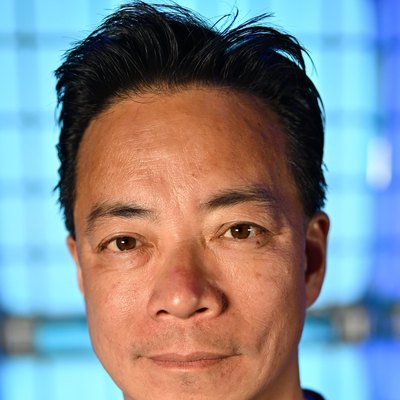
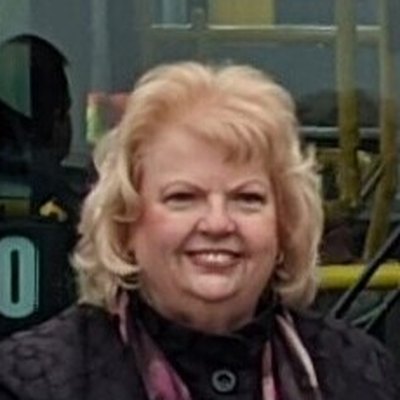
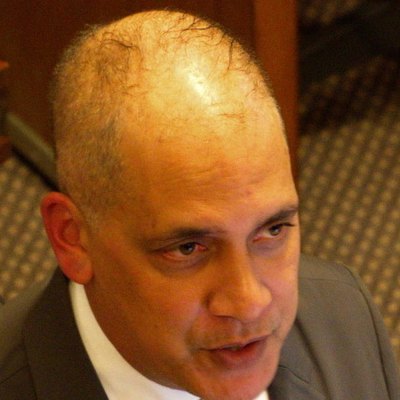
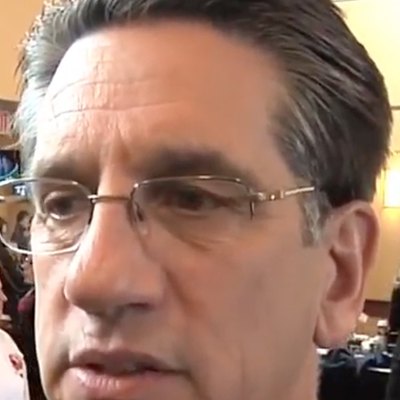

That is not a left-to-right swap, and it would be wrong to call it one. In 2022, Keith Baldrey wrote that “This was not the case of the left beating the right,” and the same is true of 2026.4 CBC’s Justin McElroy noted “the lack of a political pattern in those changeovers.”6 The pattern is simpler than ideology. Voters looked at the person in charge and asked for someone else.
In our view, that is the most dangerous kind of vote for any government. A partisan swing can be argued with. A mood that turns on whoever holds office, whatever their colours, is harder to stop.
The BC NDP has governed British Columbia since 2017. On 24 October, it is the incumbent.
07 A few of the new mayors carry Conservative or BC United records. One of them is on the provincial ballot in a toss-up seat.

338Canada rates Vernon-Lumby a toss-up, with the Conservatives at 47 per cent and the NDP at 44. Next door, Vernon voters turned out Mayor Victor Cumming.
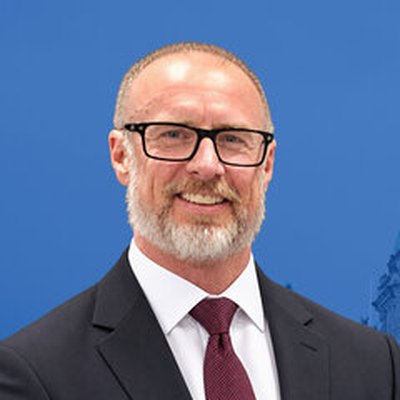
In Penticton, 
In Cranbrook, Tom Shypitka, a former BC Liberal MLA for Kootenay East, won an open seat.21 Doug McCallum in Surrey once sought a federal Conservative nomination. Mike Little, re-elected in North Vancouver District, was a federal Conservative candidate in 2015, and Paul Dhillon, the new mayor of Sechelt, sought a federal Conservative nomination in 2024.22
The left won some races too. 
Counted by documented ties, the winners do not add up to a partisan wave in either direction, and nobody should claim one. What they add up to is a province that wanted change.
08 Twenty-four of the 37 closest provincial ridings take in a town that turned out its mayor. Local results do not decide provincial ones on their own.
338Canada’s projection of 16 October rates 37 ridings as toss-ups or within eight points between the NDP and the Conservatives. In 24 of them, at least one municipality inside the riding turned out its sitting mayor a week earlier.
Nine of those 24 are the Vancouver and Surrey seats, where one city-wide result touches several ridings at once.24
Close provincial ridings that take in a town or city whose mayor lost
| Riding | 338Canada, 16 Oct | NDP–Cons. | Where the mayor lost |
|---|---|---|---|
| Saanich North and the Islands | Green likely | 29–29 | North Saanich |
| Vancouver-Yaletown | Toss-up | 44–44 | Vancouver |
| Surrey-Newton | Toss-up | 48–47 | Surrey |
| Courtenay-Comox | Toss-up | 36–38 | Courtenay |
| Juan de Fuca-Malahat | Toss-up | 34–36 | Metchosin |
| Kootenay Central | Toss-up | 38–36 | Kaslo |
| Surrey-Fleetwood | Toss-up | 42–44 | Surrey |
| Maple Ridge-Pitt Meadows | Toss-up | 48–45 | Maple Ridge |
| North Island | Conservative leaning | 42–45 | Port Alice, Gold River, Tahsis |
| Surrey City Centre | Toss-up | 45–48 | Surrey |
| Vancouver-Langara | Conservative leaning | 43–46 | Vancouver |
| Vernon-Lumby | Toss-up | 44–47 | Vernon |
| Delta North | NDP leaning | 50–46 | Delta |
| Ladysmith-Oceanside | NDP leaning | 47–43 | Qualicum Beach |
| Mid Island-Pacific Rim | NDP leaning | 45–41 | Port Alberni, Ucluelet |
| Kootenay-Monashee | NDP leaning | 45–40 | Trail, Fruitvale |
| Port Moody-Burquitlam | NDP leaning | 46–41 | Port Moody |
| Surrey-Guildford | Conservative leaning | 43–48 | Surrey |
| Maple Ridge East | Conservative leaning | 41–47 | Maple Ridge |
| Penticton-Summerland | Conservative leaning | 41–47 | Penticton |
| Surrey-Serpentine River | Conservative leaning | 42–48 | Surrey |
| Surrey-Panorama | Conservative leaning | 43–50 | Surrey |
| Columbia River-Revelstoke | Conservative leaning | 41–49 | Revelstoke, Radium Hot Springs, Canal Flats |
| Surrey-Cloverdale | Conservative likely | 39–47 | Surrey |
It would be a mistake to read this table as a forecast. In 2022, ABC swept Vancouver, and Andy Yan of the SFU City Program found Ken Sim winning polls inside NDP-held seats and wondered whether they were in trouble. Two years later the NDP won 11 of the 12 Vancouver ridings.
Province-wide, though, the NDP fell from 57 seats to 47, the bare minimum for a majority of the 93.25 In our view, the lesson of 2022 is not that the local mood does not matter. It is that the mood needs a provincial party to carry it.
“So whether there is an appetite for change and whether that translates into even more success or more momentum for the conservatives, it’s hard to say.”
09 In our view, only one party is positioned to turn that appetite for change into a new government. It is the BC Conservatives.
338Canada’s projection of 16 October puts the Conservatives at 52 seats, with a range of 38 to 67, and the BC NDP at 39, with a range of 25 to 53. A majority takes 47, and both ranges cross that line.
The model gives the Conservatives 45 per cent of the vote to the NDP’s 41, and a 76 per cent chance of winning the most seats. The BC Greens are projected to win two.24 These are projections, not results, and the only count that matters is the one on 24 October.
The BC Greens have claimed Vancouver’s result as their own. Their leader, Emily Lowan, said voters “can send that same Green message across the province.” David Eby, the BC NDP leader and premier, answered bluntly: “she’s not going to be the premier next week.”27
On that point, in our view, the premier is right. A vote for change has to go to a party that can form a government, and on the projections the Conservatives are the only party positioned to replace the NDP.
The Conservatives said in a statement that Eby called the election because he saw an opportunity for himself. “What he handed British Columbians is an opportunity for change,”28 it said.
Trevor Bolin called his win in Fort St. John a clear mandate. Lilia Hansen, gracious in defeat, said “Not many people come out of politics this lucky.”1
Thirty-four mayors learned on Saturday what voters do when they want something different. The NDP has one week left to decide whether it heard them.
Thirty-four towns and cities voted for change on 17 October. On 24 October, the incumbent on the ballot is the NDP.
Share this story
Eight images to share, one point on each.


Suggested caption
“Incumbency isn’t what it used to be.” — Tyler Olsen, The Tyee
B.C. just voted out the mayor in 34 towns and cities. The NDP should be listening.
On 17 October, 34 of the 73 sitting mayors who ran again in the 109 municipalities we followed lost: 47 per cent, against 40 per cent in 2018 and 35 per cent in 2022. CBC’s Justin McElroy noted that historically an incumbent mayor has “about an 80 per cent chance of being re-elected.”
Vancouver, Surrey, Kamloops, Prince George, Vernon, Penticton and Fort St. John all changed mayors. Turnout rose in 21 of the 23 places where both years were reported.
Most of the mayors who lost had no party label at all. Voters were not punishing a party. They turned on whoever held the job.
In our view, on 24 October the incumbent on the ballot is the NDP. Results are preliminary until the official declarations, scheduled for 21 October.
Read the full story, with the data and the sources: backcountry.cx/editorials/bc-municipal-elections-2026-wave/
Vote on Saturday 24 October, 8 a.m. to 8 p.m. Find your voting place at wheretovote.elections.bc.ca.
#BCpoli #BCelxn #BCVotes2026 #VanPoli #SurreyBC #Kamloops #BCNDP #BCConservatives #MunicipalElection
Sources
- ↩ CBC News, Matt Preprost, “Trevor Bolin elected mayor of Fort St. John as $90M pool referendum passes”, 18 October 2026: Bolin won 65 per cent; about 4,500 votes cast, 27.5 per cent of eligible voters, the city’s highest turnout in at least 25 years; Hansen’s and Bolin’s words. cbc.ca
- ↩ Our 2026 results set, compiled 18 October 2026 from CivicInfo BC’s results service (localelections.ca), municipal results pages and local news. It covers 109 municipalities: the province’s largest cities and towns, every municipality in the 37 provincial ridings 338Canada rates within eight points or a toss-up, and every municipality in Kootenay Central. All results are preliminary until the official declarations, scheduled for 21 October. A sitting mayor “lost” when they ran for mayor again and were not elected; mayors who retired or ran for council are counted as not running. The regions are our grouping of the 109. A party tie is recorded only where a candidacy, party office, endorsement or credible reporting documents it; about 35 lesser-known names were not searched in full and are counted as having no tie. localelections.ca
- ↩ CivicInfo BC, candidates and results for the 2018 and 2022 general local elections (archived copies), for the same 109 municipalities: in 2018, 72 sitting mayors ran and 29 lost; in 2022, 77 ran and 27 lost. 2018 · 2022
- ↩ Keith Baldrey, Global BC, column on the 2022 local results, Burnaby Now, 17 October 2022 (archived): “More than three dozen mayors were booted from their positions”; “This was not the case of the left beating the right.” burnabynow.com (archive)
- ↩ The Canadian Press, Ashley Joannou, “Vancouver progressives take power as Green Pete Fry is elected mayor”, 18 October 2026, quoting Richard Johnston, professor emeritus of political science, University of British Columbia. thecanadianpressnews.ca
- ↩ CBC News, Justin McElroy, “A ‘change’ election in B.C., but one where experience still mattered”, 18 October 2026: “historically an incumbent mayor has about an 80 per cent chance of being re-elected”; “the lack of a political pattern in those changeovers.” cbc.ca
- ↩ The Canadian Press, “Rough ride for some incumbents: B.C.’s municipal elections at a glance”, 18 October 2026: “Some incumbent candidates have taken a beating”; Fry over 98,000 votes, Sim about 67,000; ABC reduced from seven council seats to one. Energeticcity (CP) · iNFOnews (CP)
- ↩ Surrey mayoral result (preliminary): Doug McCallum 42,741, Brenda Locke 30,886, Mike Starchuk 17,282 (12.9 per cent). Brenda Locke was BC Liberal MLA for Surrey-Green Timbers, 2001–2005; Mike Starchuk was BC NDP MLA for Surrey-Cloverdale, 2020–2024. localelections.ca · Brenda Locke
- ↩ CBC News, Andrew Kurjata, Jenifer Norwell and Hanna Petersen, “In possible bid for harmony, voters sweep out incumbents for experienced rivals in multiple mayoral races”, 18 October 2026: Kamloops, Prince George, Fort St. John, Vernon, Penticton and Quesnel; Reid Hamer-Jackson fourth with less than 12 per cent. cbc.ca
- ↩ Map: municipal locations from Wikipedia and Wikidata coordinates; coastline and boundaries from Natural Earth (public domain), drawn on a BC Albers projection. Results from our results set. naturalearthdata.com
- ↩ The Tyee, Tyler Olsen, “In Kamloops and Across BC, Many Mayors Ousted”, 18 October 2026. thetyee.ca
- ↩ CBC News, B.C. municipal election results live, 17–18 October 2026, including Justin McElroy’s summary (“the story of change — but for the most part, measured change”) and the description of “an anti-incumbency trend.” cbc.ca
- ↩ e-KNOW, “New Mayor for Radium after tight race”, 18 October 2026: Cris Leonard 321, incumbent Mike Gray 314. e-know.ca
- ↩ CivicInfo BC results (preliminary, 18 October 2026): Peachland, Gail Mansell 1,092, Patrick Van Minsel 1,072; Lake Country, MaryEllen Buhler 1,441, Priscila Brunetto 1,429, with the incumbent, Blair Ireland, behind both. Peachland · Lake Country
- ↩ Margins are the winner’s lead over the second-place candidate, in percentage points, from our results set (CivicInfo BC and municipal results pages, preliminary). Where the sitting mayor finished third or lower, the lead shown is over whoever came second. Highlands: Gord Baird 500, Mayor Ken Williams 471. localelections.ca
- ↩ Turnout as reported for each place in the chart, from our results set: CBC News (Vancouver 43 per cent and 209,214 ballots against 36.3 per cent in 2022; Burnaby; Richmond; Delta), the cities’ own results pages (Nanaimo, Maple Ridge, Squamish, Whistler, Langley City, Port Moody in 2022, North Vancouver City in 2022), the Tri-Cities Dispatch (Coquitlam, Port Moody), the Revelstoke Review, the Times Colonist (Victoria, both years), the Cowichan Valley Citizen (Duncan, Lake Cowichan), Glacier Media (Abbotsford and Chilliwack in 2022), Wikipedia’s election pages (Surrey; Langley City, Fort St. John and Penticton in 2022) and CivicInfo BC ballots over estimated eligible voters (the rest). Bases differ between places, so compare each place with itself. Port Coquitlam is left out because its 2022 ballot had no mayoral race. The Canadian Press wrote that Vancouver’s turnout was “up 36 per cent from 2022”; on CBC’s figures the rate rose from 36.3 to 43 per cent, and Daily Hive, citing the City, reported 209,214 ballots, “approximately 22 per cent more” than four years earlier. CBC · CBC (Burnaby) · Daily Hive · Revelstoke Review
- ↩ CBC News, Michelle Gomez, “Most B.C. municipalities see an increase in voter turnout for 2026 elections”, 18 October 2026, quoting Stewart Prest, political scientist, University of British Columbia; turnout in Vancouver, Richmond, Delta and Burnaby. cbc.ca
- ↩ Party ties of the defeated mayors: Ken Sim, elected on the ABC Vancouver slate in 2022; Brenda Locke, BC Liberal MLA 2001–2005; Dan Ruimy, Liberal MP for Pitt Meadows–Maple Ridge 2015–2019; Patrick Johnstone, endorsed for mayor in 2022 by NDP MP Peter Julian and former NDP MLA Judy Darcy (New West Record); Eric Woodward, acclaimed as the BC NDP candidate in Langley East in 2020, resigning the next day; Julius Bloomfield, named deputy leader of the Green Party of BC in 2009 (Penticton Western News). Dan Ruimy · Julius Bloomfield
- ↩ Summerland Review, “Acton re-elected as Lumby mayor”, 17 October 2026: 75.1 per cent; also the Conservative Party of BC candidate in Vernon-Lumby; would pay for a mayoral by-election if elected MLA. summerlandreview.com
- ↩ Penticton result (preliminary): Dan Ashton 4,477, Julius Bloomfield 2,457. Dan Ashton was BC Liberal, later BC United, MLA for Penticton 2013–2024, and in February 2024 announced he was seeking a federal Conservative nomination (Global News). localelections.ca · globalnews.ca
- ↩ Cranbrook Townsman, “Shypitka elected as Cranbrook mayor”, 17 October 2026. Tom Shypitka was MLA for Kootenay East, elected as a BC Liberal in 2017 and 2020. cranbrooktownsman.com
- ↩ Other documented ties: Doug McCallum sought the Conservative Party of Canada nomination in Newton–North Delta for the 2006 federal election; Mike Little was the Conservative candidate in Burnaby North–Seymour in 2015; Paul Dhillon sought the federal Conservative nomination in West Vancouver–Sunshine Coast–Sea to Sky Country in 2024 (Squamish Reporter). Doug McCallum · Mike Little · Paul Dhillon
- ↩ Winners with NDP or Green ties: Pete Fry, BC Green candidate in the 2016 Vancouver-Mount Pleasant by-election; Leonard Krog, former BC NDP MLA; Adam Walker, elected BC NDP MLA in 2020 and expelled from the caucus in 2023; Rob Douglas, BC NDP candidate in 2020; Gord Baird, BC Green candidate in 2020; Silas White, campaign manager for a BC Green candidate in 2020. Pete Fry · Leonard Krog
- ↩ 338Canada, British Columbia projection, latest update 16 October 2026, read 18 October 2026: seats Conservative 52 (range 38–67), BC NDP 39 (25–53), BC Green 2 (1–3), with 47 needed for a majority; popular vote Conservative 45 per cent, BC NDP 41; odds of winning the most seats Conservative 76 per cent; and the district projections used in the ridings table. A projection is a forecast, not a result. 338canada.com · districts
- ↩ Bob Mackin, theBreaker, 31 December 2022, quoting Andy Yan of the SFU City Program on ABC’s 2022 vote inside NDP-held Vancouver ridings; and Elections BC, Statement of Votes, 2024 Provincial General Election: the BC NDP won 11 of the 12 Vancouver ridings and 47 of 93 seats province-wide, down from 57 in 2020. thebreaker.news · elections.bc.ca (PDF)
- ↩ CHEK News, Mackenzie Read, “Civic slates dominate municipal elections, signalling desire for change: professor”, 18 October 2026, quoting David Black, associate professor, Royal Roads University. cheknews.ca
- ↩ The Canadian Press, “British Columbia NDP leader Eby asks Green voters to think carefully about vote”, 18 October 2026, with Emily Lowan’s and David Eby’s words. Energeticcity (CP)
- ↩ CBC News (The Canadian Press), Wolfgang Depner, “Eby calls on B.C. Green voters to beat Conservatives by voting NDP”, 18 October 2026, with the Conservative Party of BC’s statement. cbc.ca
- ↩ Elections BC, 2026 Provincial General Election: Final Voting Day Saturday 24 October, 8 a.m. to 8 p.m. Pacific time; advance voting 16–21 October, 8 a.m. to 8 p.m.; identification; 1-800-661-8683. General local elections were held 17 October 2026. elections.bc.ca · Where to Vote
Photos via Wikimedia Commons: Ken Sim, David Fitzgerald / Collision Conf (CC BY 2.0); Pete Fry, Kent Lins (CC BY 2.0); Brenda Locke, “Northwest” (CC BY 4.0); Dan Ashton, Province of British Columbia (CC BY 3.0); Sharie Minions, self-published (CC BY 4.0); Nathan Pachal, self-published (CC BY-SA 4.0); Kevin Acton, Conservative Party of BC. Map data: Natural Earth (public domain). Results are preliminary and were read on 18 October 2026.